
If you have ever searched for pool repair services, you have probably come across both terms — pool resurfacing and pool replastering. A lot of homeowners use them interchangeably, and honestly, that is understandable. They sound similar, they solve similar problems, and they both deal with the inside surface of your pool. At Boswells Pool Plastering, we hear this confusion all the time.
But they are not exactly the same thing. And knowing the difference can help you make a smarter decision when your pool starts showing its age.
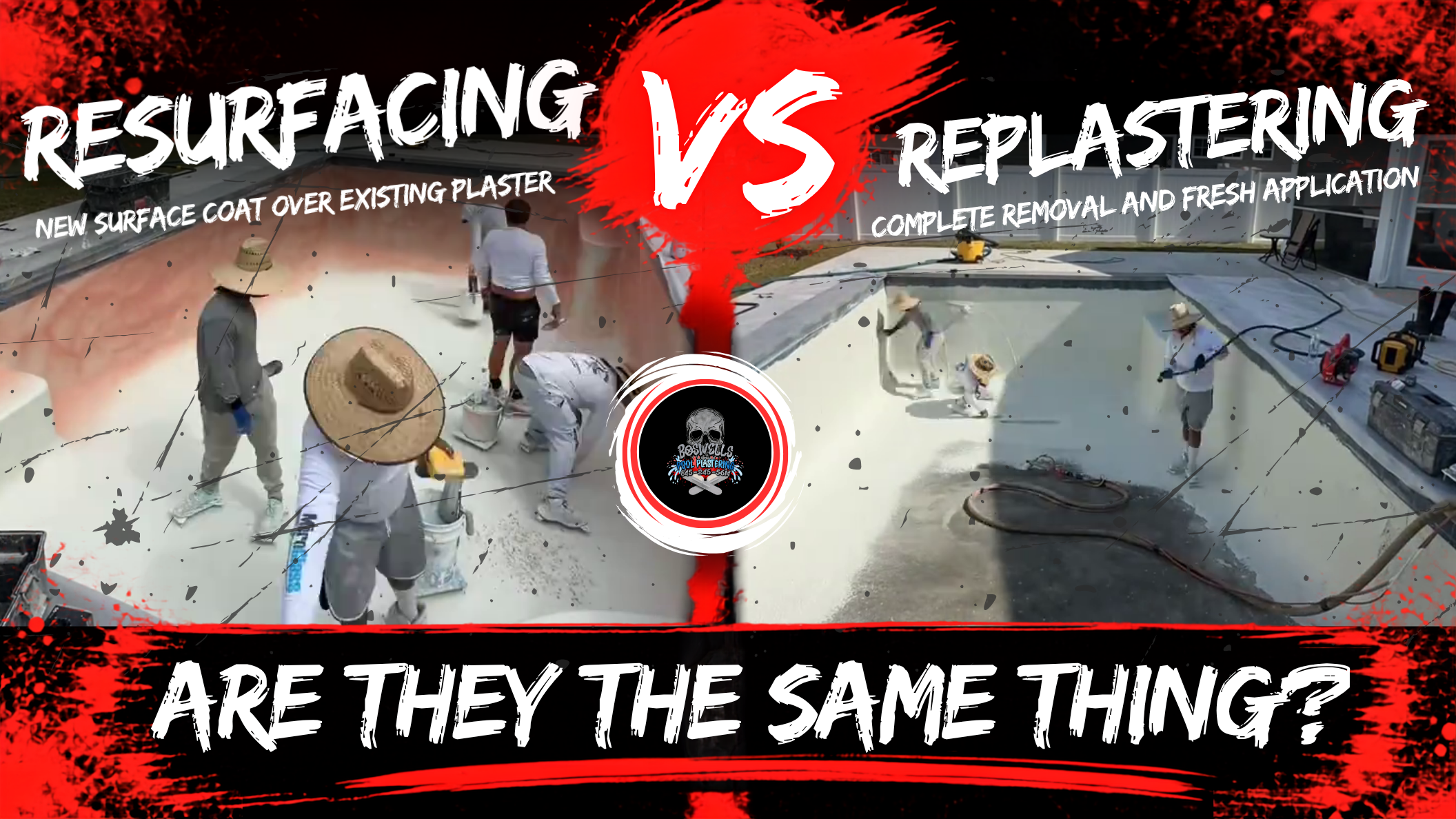
What Is Pool Replastering?
Replastering means removing the old plaster from your pool shell and applying a fresh layer of new plaster. Traditional white plaster is made from a mixture of white cement, marble dust, and water.
This is the original method used for finishing the inside of concrete pools. It has been around for decades, and it still works well. When done right, a new plaster job gives your pool a clean, smooth surface that holds water and looks great.
How Long Does Plaster Last?
A standard plaster finish typically lasts between 7 and 12 years, depending on how well you maintain your pool water chemistry. Pools with balanced water last longer. Pools with harsh chemicals or neglected pH levels wear out faster.
Signs Your Plaster Needs Replacing
- Rough or sandpaper-like texture on the pool walls
- Visible cracks or chips in the surface
- Stains that won’t go away even after acid washing
- Plaster peeling or flaking off in chunks
- Pool water turning cloudy without a chemical reason
What Is Pool Resurfacing?
Pool resurfacing is the broader term. It covers any process where the interior surface of your pool is renewed or replaced. Replastering is one type of resurfacing — but it is not the only one.
When a contractor says they offer pool resurfacing, they might mean:
- Applying new white plaster (replastering)
- Installing a pebble aggregate finish like PebbleTec
- Adding a quartz or exposed aggregate finish
- Applying a fiberglass coating over an existing surface
- Installing a vinyl liner (for vinyl pools)
So pool resurfacing is the umbrella term, and replastering is one option underneath it.
Think of it this way: all replastering is resurfacing, but not all resurfacing is replastering.
What Are the Main Differences?
1. Materials Used
Replastering uses traditional white plaster — cement and marble dust. Resurfacing can use that same material, or it can use pebble aggregates, quartz blends, or other modern finishes.
2. Durability
Traditional plaster lasts 7 to 12 years on average. Pebble aggregate finishes like PebbleTec can last 20 years or more when properly maintained. Quartz finishes fall somewhere in between, usually lasting 10 to 15 years.
3. Cost
White plaster is the most affordable resurfacing option. Pebble and quartz finishes cost more upfront, but they often last longer, so the long-term value can be better. Prices vary by pool size, region, and the material chosen.
4. Appearance
White plaster gives your pool a classic, clean look. But it can show stains and discoloration over time. Pebble finishes add texture, depth, and a more natural look. They also tend to hide minor staining better.
5. Feel
Plaster is smooth when new but can become rough as it ages. Pebble finishes have a slightly textured feel from day one, but most people find them comfortable. PebbleFina and PebbleSheen are smoother pebble options if texture is a concern.
Which One Should You Choose?
This really depends on your goals, your budget, and how long you plan to stay in your home.
Choose Replastering If:
- You want the most affordable option
- Your pool structure is in good shape and just needs a fresh surface
- You prefer a simple, classic white look
- You plan to resell the home in a few years and want a cost-effective fix
Choose a Premium Resurfacing Finish If:
- You want something that lasts longer without major upkeep
- You want to upgrade the look and feel of your pool
- You are tired of replastering every 8 to 10 years
- You want more color and design options
At Boswells Pool Plastering, we walk every homeowner through their options honestly — no upselling, no pressure. We want you to get the finish that actually fits your pool and your lifestyle.
Does the Process Look Different?
Yes, the application process varies depending on the material.
Replastering Process
- Drain the pool completely
- Remove old plaster by chipping or sandblasting
- Repair any cracks or damage in the shell
- Apply a bond coat if needed
- Trowel on new white plaster in layers
- Refill and balance water chemistry carefully
Pebble or Aggregate Resurfacing Process
- Same prep steps — drain, remove old surface, repair shell
- Apply the aggregate mix in layers
- Expose the pebbles by hand-washing the surface while it cures
- Refill pool and carefully balance water for 28 to 30 days
Both jobs require professionals with real experience to do correctly. A bad plaster job can fail early or look uneven. A bad aggregate application can result in rough spots or poor color consistency.
What Other Alternatives Exist?
Besides traditional plaster and pebble finishes, there are a few other options worth knowing about.
Quartz Finish
A quartz finish mixes quartz aggregate with cement. It is harder and more stain-resistant than standard plaster. It also holds color better over time. It is a good middle ground between plaster and pebble in terms of cost and durability.
Fiberglass Coating
Fiberglass can be applied over an existing concrete pool surface. It creates a smooth, non-porous finish that resists algae. However, it requires special preparation and not every contractor offers this service.
Epoxy or Pool Paint
Pool paint is the cheapest short-term fix. It can refresh a pool surface quickly, but it only lasts 3 to 5 years and requires frequent reapplication. Most pool professionals consider it a temporary solution, not a real replacement for plastering or resurfacing.
Quick Answers to Common Questions
Can I resurface without draining my pool?
No. Any proper resurfacing job requires a fully drained pool. The surface must be clean, dry, and prepped before new material can be applied.
How do I know if my pool needs resurfacing or just repairs?
Small cracks or isolated chips can often be patched. If the damage is widespread, the texture feels rough all over, or staining covers large areas, it is usually time for a full resurface.
How long does it take?
A standard replastering job on an average-sized pool takes about 3 to 5 days from draining to refilling. Pebble finishes may take slightly longer depending on the curing process. After refilling, plan for another 7 to 14 days of careful water balancing before regular swimming.
Is pool resurfacing vs pool replastering really just a naming issue?
Mostly, yes. In casual conversation, most homeowners and even some contractors use them interchangeably. But technically, replastering refers to white plaster specifically, while resurfacing covers all interior finish types. When getting quotes, always ask specifically what material the contractor plans to use.
Final Thoughts
Whether you call it pool resurfacing or pool replastering, the goal is the same — a clean, safe, beautiful pool surface that holds up over time.
The right choice depends on your budget, how long you want the finish to last, and the look you are going for. White plaster is a solid choice for many homeowners. But if you want something that lasts longer and looks more distinctive, a pebble or quartz finish is worth the extra investment.
At Boswells Pool Plastering, we are a certified PebbleTec applicator serving Horry County and the surrounding areas. We offer honest advice, quality materials, and craftsmanship we stand behind. Not sure which finish is right for your pool? Reach out to us — we are happy to help you figure it out.
📞 Ready to protect your pool?
Contact us or call Boswells Pool Plastering today — and let us help you find the right finish for your pool.